Diamonds Details
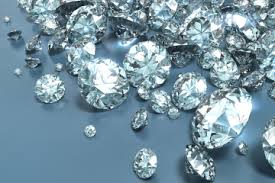
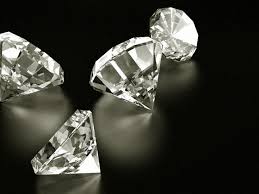
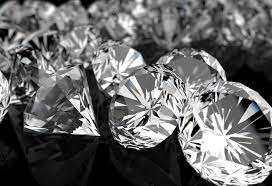
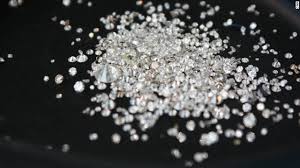
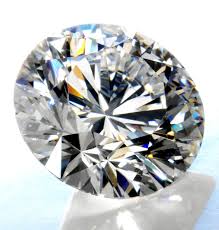
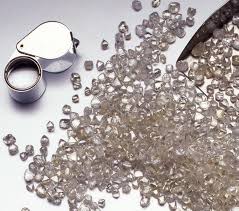
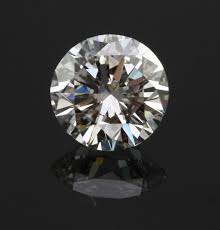
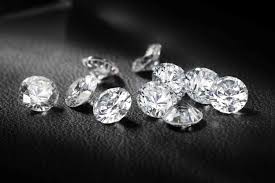
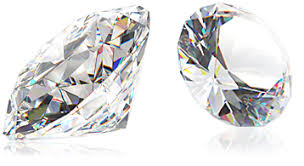
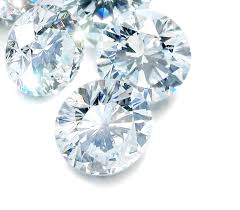
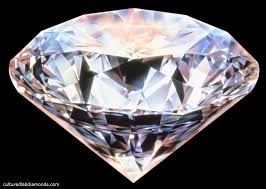
The most familiar usage of diamonds today is as gemstones used for adornment - a usage which dates back into antiquity. The dispersion of white light into spectral colors is the primary gemological characteristic of gem diamonds. In the twentieth century, gemologists have developed methods of grading diamonds and other gemstones based on the characteristics most important to their value as a gem. Four characteristics known informally as the four Cs are now commonly used as the basic descriptors of diamonds: carat, cut, color, and clarity. Most gem diamonds are traded on the wholesale market based on single values for each of the four Cs; for example knowing that a diamond is rated as 1.5 carats (300 mg), VS2 clarity, F color, excellent cut round brilliant, is enough to reasonably establish an expected price range. More detailed information from within each characteristic is used to determine actual market value for individual stones. Consumers who purchase individual diamonds are often advised to use the four Cs to pick the diamond that is "right" for them.
Other characteristics also influence the value and appearance of a gem diamond. These include physical characteristics such as the presence of fluorescence as well as the diamond's source and which gemological institute evaluated the diamond. Cleanliness also dramatically affects a diamond's beauty. There are two major non-profit gemological associations which grade and provide reports, (informally referred to by the term certificate or cert, which is a misnomer for many grading reports) on diamonds; while carat weight and cut angles are mathematically defined, the clarity and color are judged by the trained human eye and are therefore open to slight variance in interpretation. These associations are listed below.
The most familiar usage of diamonds today is as gemstones used for adornment - a usage which dates back into antiquity. The dispersion of white light into spectral colors is the primary gemological characteristic of gem diamonds. In the twentieth century, gemologists have developed methods of grading diamonds and other gemstones based on the characteristics most important to their value as a gem. Four characteristics known informally as the four Cs are now commonly used as the basic descriptors of diamonds: carat, cut, color, and clarity. Most gem diamonds are traded on the wholesale market based on single values for each of the four Cs; for example knowing that a diamond is rated as 1.5 carats (300 mg), VS2 clarity, F color, excellent cut round brilliant, is enough to reasonably establish an expected price range. More detailed information from within each characteristic is used to determine actual market value for individual stones. Consumers who purchase individual diamonds are often advised to use the four Cs to pick the diamond that is "right" for them.
Other characteristics also influence the value and appearance of a gem diamond. These include physical characteristics such as the presence of fluorescence as well as the diamond's source and which gemological institute evaluated the diamond. Cleanliness also dramatically affects a diamond's beauty. There are two major non-profit gemological associations which grade and provide reports, (informally referred to by the term certificate or cert, which is a misnomer for many grading reports) on diamonds; while carat weight and cut angles are mathematically defined, the clarity and color are judged by the trained human eye and are therefore open to slight variance in interpretation. These associations are listed below.
Diamonds

Diamonds
 Diamonds
 Diamonds
 Diamonds
 Diamonds
 Diamonds
 Diamonds
 Diamonds
 Diamonds
 Diamonds
 Diamonds
 Diamonds
 Diamonds
 Diamonds
 Diamonds

Diamonds
 Diamonds
 Diamonds
 Diamonds
 Diamonds

No comments:
Post a Comment