Diamond Clarity Details
George Stigler has argued that Smith's statement of the paradox is flawed, since it consisted of a comparison between heterogeneous goods, and such comparison would have required using the concept of marginal utility of income. And since this concept was not known in Smith's time, then the value in use and value in exchange judgement may be meaningless:
The paradox—that value in exchange may exceed or fall short of value in use—was, strictly speaking, a meaningless statement, for Smith had no basis (i.e., no concept of marginal utility of income or marginal price of utility) on which he could compare such heterogeneous quantities. On any reasonable interpretation, moreover, Smith's statement that value in use could be less than value in exchange was clearly a moral judgment, not shared by the possessors of diamonds. To avoid the incomparability of money and utility, one may interpret Smith to mean that the ratio of values of two commodities is not equal to the ratio of their total utilities. Or, alternatively, that the ratio of the prices of two commodities is not equal to the ratio of their total utilities; but this also requires an illegitimate selection of units: The price of what quantity of diamonds is to be compared with the price of one gallon of water?
George Stigler has argued that Smith's statement of the paradox is flawed, since it consisted of a comparison between heterogeneous goods, and such comparison would have required using the concept of marginal utility of income. And since this concept was not known in Smith's time, then the value in use and value in exchange judgement may be meaningless:
The paradox—that value in exchange may exceed or fall short of value in use—was, strictly speaking, a meaningless statement, for Smith had no basis (i.e., no concept of marginal utility of income or marginal price of utility) on which he could compare such heterogeneous quantities. On any reasonable interpretation, moreover, Smith's statement that value in use could be less than value in exchange was clearly a moral judgment, not shared by the possessors of diamonds. To avoid the incomparability of money and utility, one may interpret Smith to mean that the ratio of values of two commodities is not equal to the ratio of their total utilities. Or, alternatively, that the ratio of the prices of two commodities is not equal to the ratio of their total utilities; but this also requires an illegitimate selection of units: The price of what quantity of diamonds is to be compared with the price of one gallon of water?
Diamond Clarity
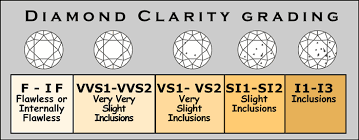 Diamond Clarity
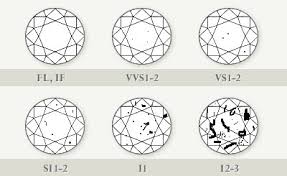 Diamond Clarity
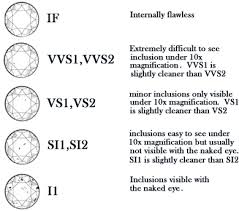 Diamond Clarity
 Diamond Clarity
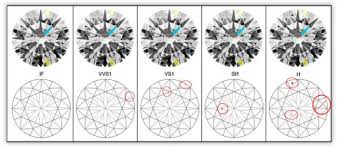 Diamond Clarity
 Diamond Clarity
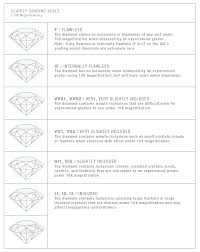 Diamond Clarity
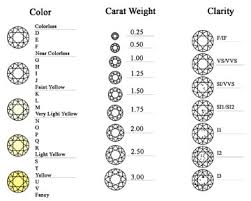 Diamond Clarity
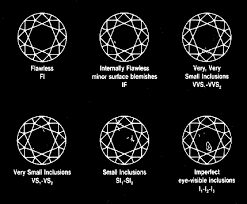 Diamond Clarity
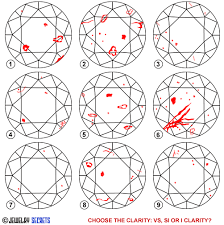 Diamond Clarity
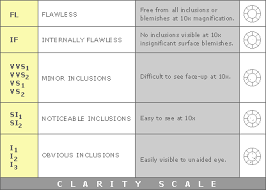 Diamond Clarity
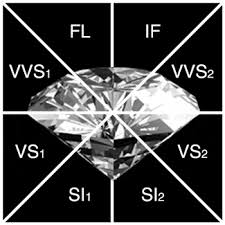 Diamond Clarity
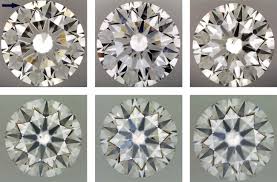 Diamond Clarity
 Diamond Clarity
 Diamond Clarity
 Diamond Clarity
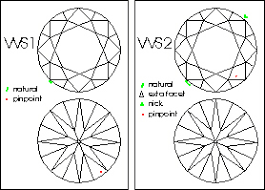 Diamond Clarity
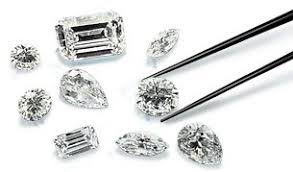 Diamond Clarity
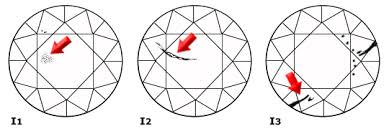 Diamond Clarity
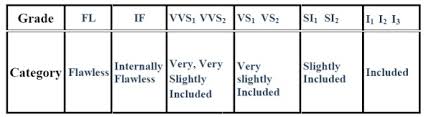 Diamond Clarity

No comments:
Post a Comment