Black Diamond Jewelry Details
The characteristics of carbonado noted in this section are based mainly on the summary of Heaney et al. (2005),[1] unless otherwise noted.Carbonado diamonds are typically pea-sized or larger porous aggregates of many tiny black crystals. The most characteristic carbonados have been found only in the Central African Republic and in Brazil, in neither place associated with kimberlite, the source of typical gem diamonds. Lead isotope analyses have been interpreted as documenting crystallization of carbonados about 3 billion years ago. The carbonados are found in younger sedimentary rocks.
Mineral grains included within diamonds have been studied extensively for clues to diamond origin. Some typical diamonds contain inclusions of common mantle minerals such as pyrope and forsterite, but such mantle minerals have not been observed in carbonado. In contrast, some carbonados do contain inclusions of minerals characteristic of the Earth’s crust: these inclusions do not necessarily establish formation of the diamonds in the crust, however, because these obvious crustal inclusions occur in the pores that are common in carbonados. These inclusions within pores may have been introduced after carbonado formation. Inclusions of other minerals, rare or nearly absent in the Earth’s crust, are found at least partly incorporated in diamond, not just in pores: among such other minerals are those with compositions of Si, SiC, and Fe‑Ni. No distinctive high-pressure minerals, including the hexagonal carbon polymorph, lonsdaleite, have been found as inclusions in carbonados, although such inclusions might be expected if carbonados formed by meteorite impact.Isotope studies have yielded further clues to carbonado genesis. The carbon isotope value is very low (little carbon‑13 compared to carbon‑12, relative to typical diamonds).
The characteristics of carbonado noted in this section are based mainly on the summary of Heaney et al. (2005),[1] unless otherwise noted.Carbonado diamonds are typically pea-sized or larger porous aggregates of many tiny black crystals. The most characteristic carbonados have been found only in the Central African Republic and in Brazil, in neither place associated with kimberlite, the source of typical gem diamonds. Lead isotope analyses have been interpreted as documenting crystallization of carbonados about 3 billion years ago. The carbonados are found in younger sedimentary rocks.
Mineral grains included within diamonds have been studied extensively for clues to diamond origin. Some typical diamonds contain inclusions of common mantle minerals such as pyrope and forsterite, but such mantle minerals have not been observed in carbonado. In contrast, some carbonados do contain inclusions of minerals characteristic of the Earth’s crust: these inclusions do not necessarily establish formation of the diamonds in the crust, however, because these obvious crustal inclusions occur in the pores that are common in carbonados. These inclusions within pores may have been introduced after carbonado formation. Inclusions of other minerals, rare or nearly absent in the Earth’s crust, are found at least partly incorporated in diamond, not just in pores: among such other minerals are those with compositions of Si, SiC, and Fe‑Ni. No distinctive high-pressure minerals, including the hexagonal carbon polymorph, lonsdaleite, have been found as inclusions in carbonados, although such inclusions might be expected if carbonados formed by meteorite impact.Isotope studies have yielded further clues to carbonado genesis. The carbon isotope value is very low (little carbon‑13 compared to carbon‑12, relative to typical diamonds).
Black Diamond Jewelry
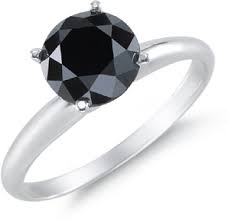
Black Diamond Jewelry
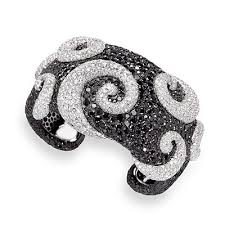 Black Diamond Jewelry
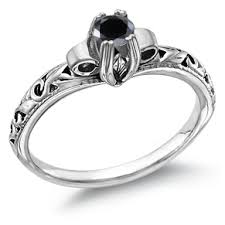 Black Diamond Jewelry
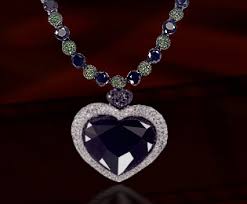 Black Diamond Jewelry
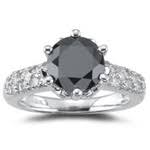 Black Diamond Jewelry
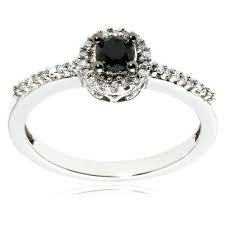 Black Diamond Jewelry
 Black Diamond Jewelry
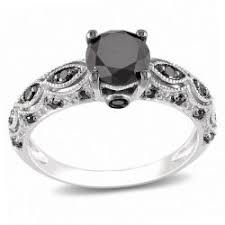 Black Diamond Jewelry
 Black Diamond Jewelry
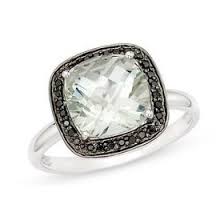 Black Diamond Jewelry
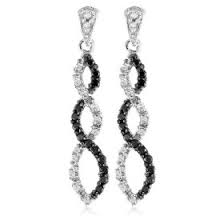
Black Diamond Jewelry
 Black Diamond Jewelry
 Black Diamond Jewelry
 Black Diamond Jewelry
 Black Diamond Jewelry
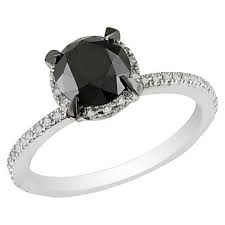 Black Diamond Jewelry
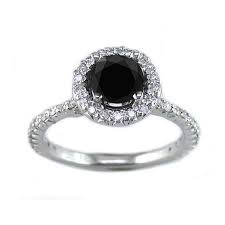 Black Diamond Jewelry
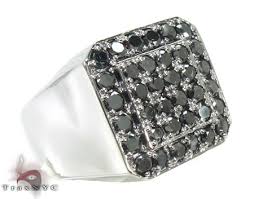 Black Diamond Jewelry
 Black Diamond Jewelry
 Black Diamond Jewelry

No comments:
Post a Comment