Diamond Bands Details
There were also two varieties of refiners' carats once used in the United Kingdom — the pound carat and the ounce carat.[13] The pound troy was divisible into 24 pound carats of 240 grains troy each; the pound carat was divisible into four pound grains of 60 grains troy each; and the pound grain was divisible into four pound quarters of 15 grains troy each. Likewise, the ounce troy was divisible into 24 ounce carats of 20 grains troy each; the ounce carat was divisible into four ounce grains of 5 grains troy each; and the ounce grain was divisible into four ounce quarters of 1 1⁄4 grains troy each.[14]The carat of the Romans and Greeks The solidus was also a Roman weight unit. There is literary evidence that the weight of 72 coins of the type called solidus was exactly 1 Roman pound, and that the weight of 1 solidus was 24 siliquae. The weight of a Roman pound is generally believed to have been 327.45 g or possibly up to 5 g less. Therefore, the metric equivalent of 1 siliqua was approximately 189 mg. The Greeks had a similar unit of the same value.
There were also two varieties of refiners' carats once used in the United Kingdom — the pound carat and the ounce carat.[13] The pound troy was divisible into 24 pound carats of 240 grains troy each; the pound carat was divisible into four pound grains of 60 grains troy each; and the pound grain was divisible into four pound quarters of 15 grains troy each. Likewise, the ounce troy was divisible into 24 ounce carats of 20 grains troy each; the ounce carat was divisible into four ounce grains of 5 grains troy each; and the ounce grain was divisible into four ounce quarters of 1 1⁄4 grains troy each.[14]The carat of the Romans and Greeks The solidus was also a Roman weight unit. There is literary evidence that the weight of 72 coins of the type called solidus was exactly 1 Roman pound, and that the weight of 1 solidus was 24 siliquae. The weight of a Roman pound is generally believed to have been 327.45 g or possibly up to 5 g less. Therefore, the metric equivalent of 1 siliqua was approximately 189 mg. The Greeks had a similar unit of the same value.
Diamond Bands
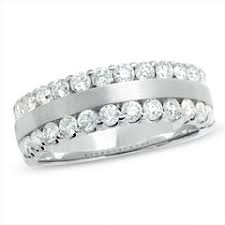 Diamond Bands
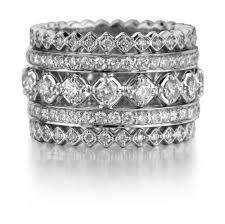
Diamond Bands
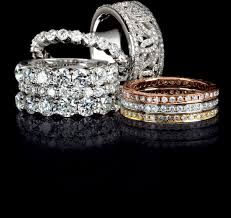 Diamond Bands
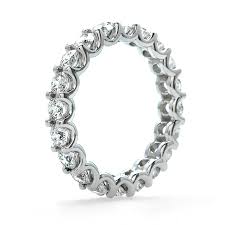 Diamond Bands
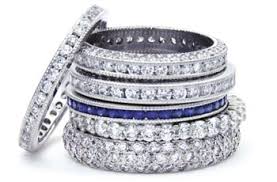 Diamond Bands
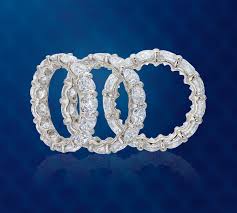 Diamond Bands
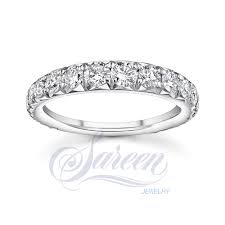 Diamond Bands
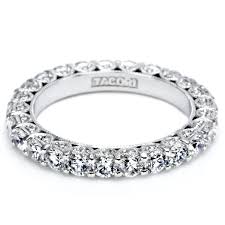 Diamond Bands
 Diamond Bands
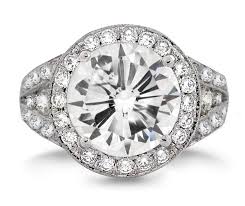 Diamond Bands
 Diamond Bands
 Diamond Bands
 Diamond Bands
 Diamond Bands
 Diamond Bands
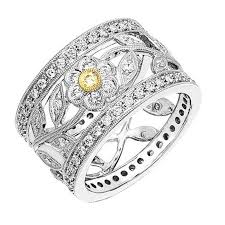 Diamond Bands
 Diamond Bands
 Diamond Bands
 Diamond Bands
 Diamond Bands

No comments:
Post a Comment