Diamond Stores Details
Synthetic diamonds created by compressing graphite to several gigapascals and heating to temperatures above 1500 °C are usually rich in nitrogen. Nitrogen in those diamonds is dispersed through the lattice as single atoms and induces yellow color. Nickel is often added to graphite to accelerate its conversion into diamond. Incorporation of nickel and nitrogen into diamond induces brown color. Nickel is easily detectable by characteristic, sharp optical absorption and luminescence signals making such diamonds easily identifiable.Natural brown diamonds
Whereas the brown color due to irradiation or nickel impurity can be easily recognized through spectroscopic (e.g. absorption) measurements, the majority of natural brown diamonds do not show any characteristic absorption peaks. Whereas the consensus has been reached that the color relates to the plastic deformation, the particular reason has been reliably identified (large clusters of vacancies) only in type IIa natural brown diamond[19]. Other recent results suggest that these large clusters of vacancies (mini-voids) are a likely cause in other types of diamond as well.[20][21] Those lattice defects are most likely responsible for the color of the notable diamonds described above.
Synthetic diamonds created by compressing graphite to several gigapascals and heating to temperatures above 1500 °C are usually rich in nitrogen. Nitrogen in those diamonds is dispersed through the lattice as single atoms and induces yellow color. Nickel is often added to graphite to accelerate its conversion into diamond. Incorporation of nickel and nitrogen into diamond induces brown color. Nickel is easily detectable by characteristic, sharp optical absorption and luminescence signals making such diamonds easily identifiable.Natural brown diamonds
Whereas the brown color due to irradiation or nickel impurity can be easily recognized through spectroscopic (e.g. absorption) measurements, the majority of natural brown diamonds do not show any characteristic absorption peaks. Whereas the consensus has been reached that the color relates to the plastic deformation, the particular reason has been reliably identified (large clusters of vacancies) only in type IIa natural brown diamond[19]. Other recent results suggest that these large clusters of vacancies (mini-voids) are a likely cause in other types of diamond as well.[20][21] Those lattice defects are most likely responsible for the color of the notable diamonds described above.
Diamond Stores
 Diamond Stores
 Diamond Stores
 Diamond Stores
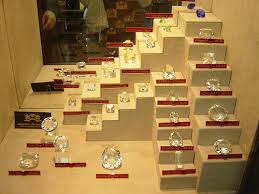 Diamond Stores
 Diamond Stores
 Diamond Stores
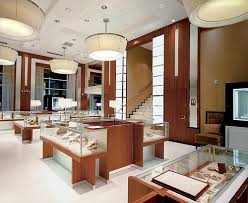 Diamond Stores
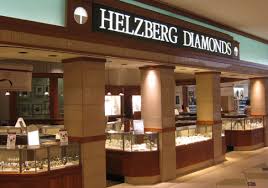 Diamond Stores
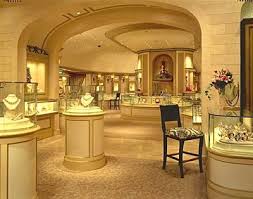
Diamond Stores
 Diamond Stores
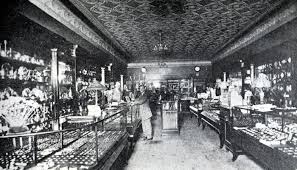 Diamond Stores

Diamond Stores
 Diamond Stores
 Diamond Stores
 Diamond Stores
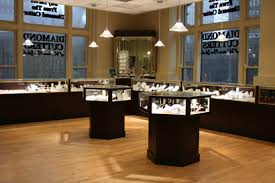 Diamond Stores
 Diamond Stores
 Diamond Stores

Diamond Stores
 Diamond Stores

No comments:
Post a Comment